
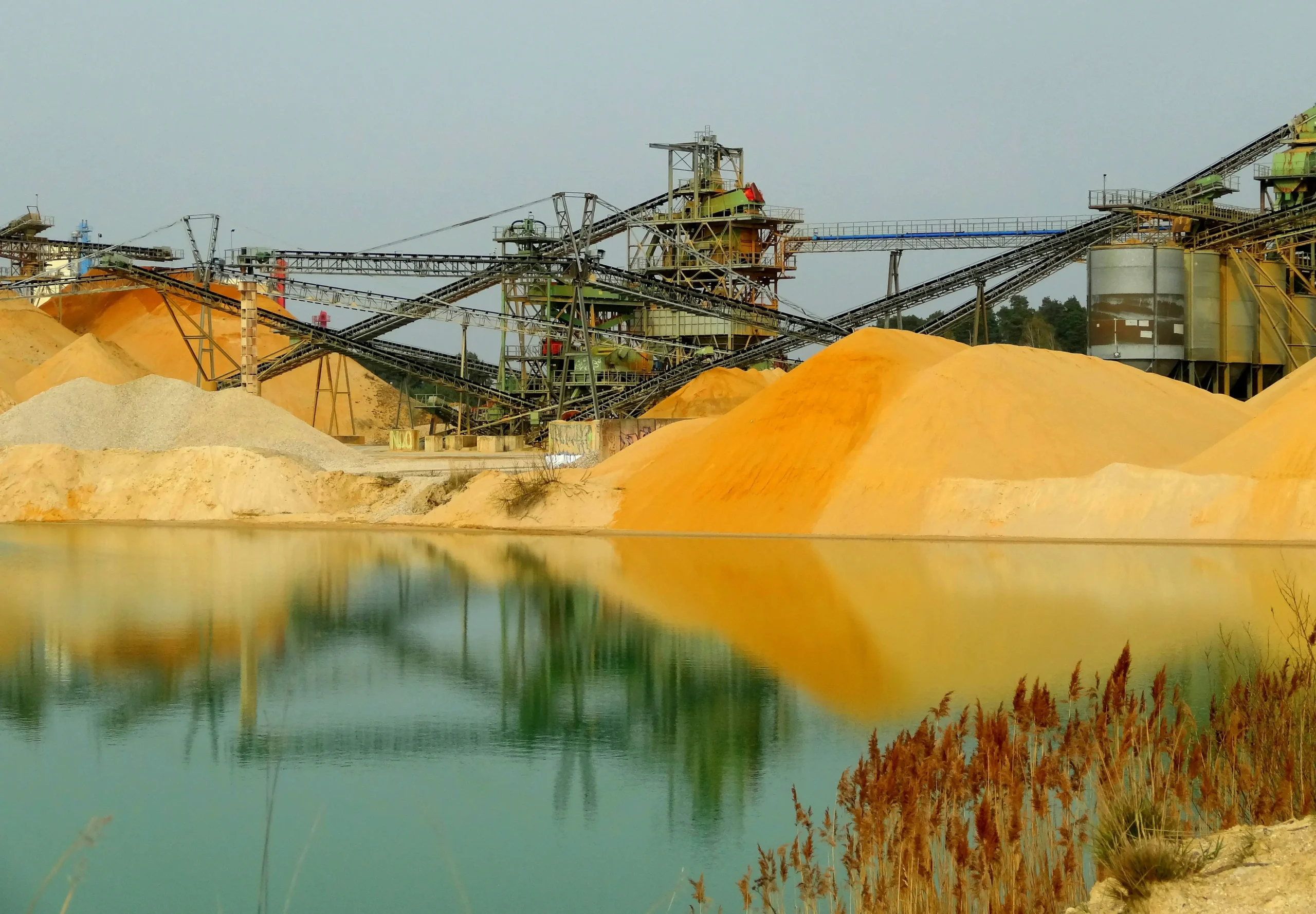
Commodity markets are closely tied to real-world production, consumption, and global trade. Unlike stocks or cryptocurrencies, commodities represent physical resources that economies rely on every day. For beginner to intermediate traders, understanding how supply and demand shape commodity prices is essential for developing informed trading decisions.
This article explains how commodity markets function, what influences price movement, and how traders can approach commodities trading using modern platforms like LomixOne.
Understanding The Structure Of Commodity Markets
Commodities are raw materials or primary goods that are traded globally. These assets are typically grouped into categories such as energy, metals, and agricultural products. Prices fluctuate based on availability, demand, and external factors that affect production or distribution.
Key characteristics of commodity markets include:
- Prices driven by physical supply and consumption
- Strong influence from weather and seasonal patterns
- Sensitivity to geopolitical and economic events
- Long-term market cycles tied to global growth
Because commodities reflect tangible economic activity, they often respond differently, than financial assets.
The Role Of Supply And Demand In Commodity Pricing
At the core of commodity trading is the balance between supply and demand. When supply tightens or demand increases, prices generally rise. When supply exceeds demand, prices tend to fall.
Major factors influencing supply and demand include:
- Production levels and inventory data
- Transportation and logistics disruptions
- Weather conditions affecting crops or energy output
- Economic growth influencing consumption
Traders who understand these forces can better anticipate price trends rather than reacting to short-term volatility.
Major Commodity Categories Traded Online
Beginner traders often start with widely traded commodities due to higher liquidity and clearer price behavior.
| Commodity Category | Examples | Market Characteristics |
| Energy | Oil, Natural Gas | High volatility and global demand |
| Precious Metals | Gold, Silver | Value preservation and risk balance |
| Industrial Metals | Copper, Aluminum | Economic growth indicators |
| Agricultural Products | Wheat, Corn | Seasonal price patterns |
Each category responds to different drivers, making diversification within commodities possible.
Common Commodity Trading Strategies
Commodity trading strategies often focus on macroeconomic trends and real-world developments rather than short-term speculation.
Popular strategies include:
- Trend trading, based on long-term supply or demand shifts
- Seasonal trading, especially in agricultural markets
- Inflation-based positioning, using metals as a hedge
- Event-driven trading, reacting to geopolitical or weather events
Choosing the right strategy depends on the commodity and the broader economic environment.
Risk Management In Commodity Trading
Commodity markets can experience sudden price movements due to unexpected events. Effective risk management is essential.
Important risk practices include:
- Limiting position size during volatile periods
- Monitoring global news and inventory reports
- Using stop-loss orders consistently
- Avoiding overexposure to a single commodity
Risk management helps traders navigate uncertainty while protecting capital.
Why Platform Choice Matters For Commodity Traders
Modern trading platforms simplify access to commodity markets and improve execution quality. Platforms like LomixOne are designed to support informed trading decisions.
Key advantages include:
- Real-time pricing and charting tools
- Fast execution during high-impact events
- Integrated risk controls
- Access to commodities alongside other markets
This structure allows traders to adapt strategies across asset classes efficiently.
Common Mistakes Commodity Traders Make
Many new commodity traders encounter difficulties due to avoidable mistakes.
Common errors include:
- Ignoring fundamental supply and demand data
- Trading without understanding seasonal patterns
- Overreacting to short-term news headlines
- Using excessive leverage during volatile conditions
Avoiding these mistakes improves long-term consistency.
How To Build Confidence In Commodities Trading
Confidence develops through preparation and review rather than constant trading activity.
Best practices include:
- Focusing on a limited number of commodities
- Tracking inventory and economic reports
- Reviewing historical price behavior
- Evaluating trades to improve strategy
Platforms like LomixOne support this learning process by offering transparency and analytical tools.
Final Thoughts
Commodities trading connects financial markets to real-world economic activity. By understanding supply, demand, and global influences, traders gain valuable insight into price movement.
For beginner to intermediate traders, commodities offer diversification and strategic depth when approached with discipline and proper risk management. With the right knowledge and a reliable platform, commodities trading can become a strong component of a balanced trading strategy.
Laisser un commentaire