
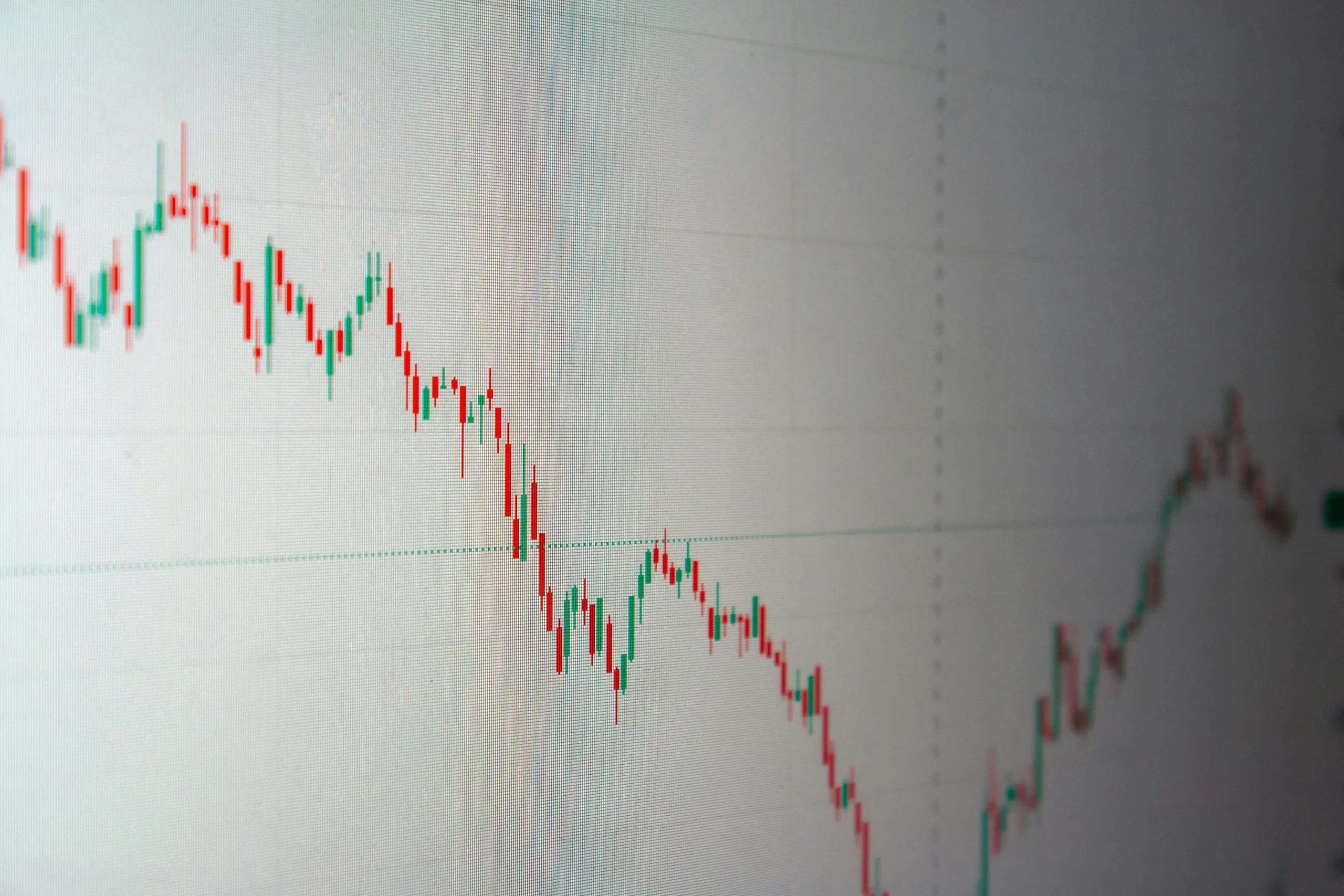
Many new traders believe success comes from predicting the market correctly. In reality, long-term trading success depends far more on managing risk than forecasting price direction. Even the best strategies fail without proper risk control, while disciplined traders can remain profitable with modest win rates.
This article explains why risk management is the foundation of trading, how it applies across markets, and how beginner to intermediate traders can build safer, more consistent trading habits.
What Risk Management Means In Trading
Risk management is the process of controlling how much capital is exposed to potential loss on any single trade. Its purpose is not to eliminate losses, but to ensure losses remain manageable over time.
Key components of risk management include:
- Position sizing based on account balance
- Predefined stop-loss levels
- Risk-to-reward planning
- Consistent execution of trading rules
Without these elements, trading decisions often become emotional and unpredictable.
Why Predicting The Market Is Not Enough
Markets are influenced by countless variables, many of which cannot be predicted consistently. News events, economic data, and unexpected developments can invalidate even the strongest analysis.
Relying solely on prediction often leads to:
- Oversized positions based on confidence
- Emotional decision-making after losses
- Inconsistent trading behavior
- Difficulty recovering from drawdowns
Risk management shifts focus from being right to staying protected.
How Risk Differs Across Trading Markets
Each market carries unique types of risk. Understanding these differences helps traders adjust position size and strategy accordingly.
| Market | Primary Risk Characteristics |
| Crypto | High volatility and rapid price swings |
| Forex | Leverage sensitivity and macro events |
| Stocks | Earnings-related gaps and company news |
| Commodities | Event-driven and supply disruptions |
Adapting risk controls to each market improves overall consistency.
Core Risk Management Rules Every Trader Should Follow
Beginner to intermediate traders benefit most from simple, repeatable rules.
Essential risk management rules include:
- Risking only a small percentage of capital per trade
- Avoiding excessive leverage
- Limiting the number of open positions
- Accepting losses without revenge trading
These rules protect traders during unfavorable conditions and preserve capital for future opportunities.
The Role Of Stop-Loss Orders
Stop-loss orders are one of the most effective risk management tools available. They define the maximum acceptable loss before entering a trade.
Benefits of using stop-loss orders include:
- Removing emotion from exit decisions
- Protecting against sudden market movement
- Improving consistency and discipline
- Allowing traders to focus on strategy execution
When used correctly, stop-loss orders support long-term trading stability.
Why Consistency Matters More Than Winning Trades
Many profitable traders win less than half of their trades. What separates them from unsuccessful traders is consistency in managing losses.
Consistency is built through:
- Following the same risk rules on every trade
- Reviewing performance regularly
- Adjusting strategy based on data, not emotion
- Maintaining realistic expectations
Over time, disciplined risk management compounds results.
How Platforms Like LomixOne Support Risk Control
Modern trading platforms provide tools designed to support structured trading behavior.
Key platform features include:
- Built-in stop-loss and take-profit settings
- Real-time exposure tracking
- Access to multiple markets from one account
- Clear performance and trade history reporting
These tools help traders stay aligned with risk-first decision-making.
Common Risk Management Mistakes Traders Make
Many traders struggle not because of strategy, but due to poor risk habits.
Common mistakes include:
- Increasing position size after losses
- Ignoring stop-loss rules during volatility
- Overtrading multiple markets simultaneously
- Failing to review past trades
Recognizing these habits is the first step toward improvement.
Final Thoughts
Risk management is the foundation that supports every successful trading strategy. Without it, even accurate market analysis leads to inconsistent results.
For beginner to intermediate traders, focusing on capital protection, disciplined execution, and consistent rules creates a sustainable path forward. With the right mindset and a reliable platform like LomixOne, traders can build confidence and longevity across any market.
Laisser un commentaire